
Get Perimeter Drain Construction in Philadelphia, PA
Perimeter drain construction services help Philadelphia property owners prevent basement flooding and water damage by installing drainage systems around foundations and yards.
Perimeter drain construction is a practical solution for property owners in Philadelphia, PA seeking effective drainage systems around their buildings. Properly installed perimeter drains help manage water runoff, prevent foundation issues, and reduce the risk of basement flooding-common concerns in the area’s varying weather conditions. Exploring options for this type of work can ensure a durable, reliable system tailored to the specific needs of local properties, whether for residential or commercial purposes.
When considering perimeter drain projects, property owners often compare local service providers to find experienced contractors who understand the unique challenges of Philadelphia’s landscape and soil conditions. Connecting with reputable local contractors can provide valuable insights into the best approaches for your property’s drainage needs. Keep reading to learn more about how professional perimeter drain construction can help protect and improve your property’s foundation and overall stability.
- Basement Waterproofing - needed when excess groundwater threatens to flood or damage foundation walls in Philadelphia neighborhoods.
- Landscape Drainage - required for yards or gardens that experience persistent pooling or poor runoff during heavy rains.
- Foundation Drainage Systems - essential when signs of foundation shifting or cracking appear due to water accumulation around the structure.
- Driveway and Sidewalk Drainage - necessary to prevent water pooling and ice formation that can cause safety hazards in local driveways.
- Retaining Wall Drainage - important for stabilizing slopes and preventing water pressure buildup behind retaining structures in hilly areas.
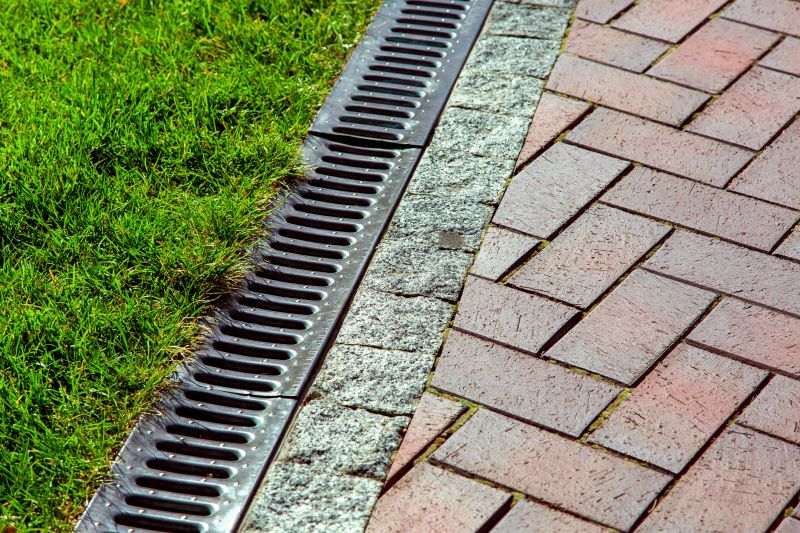
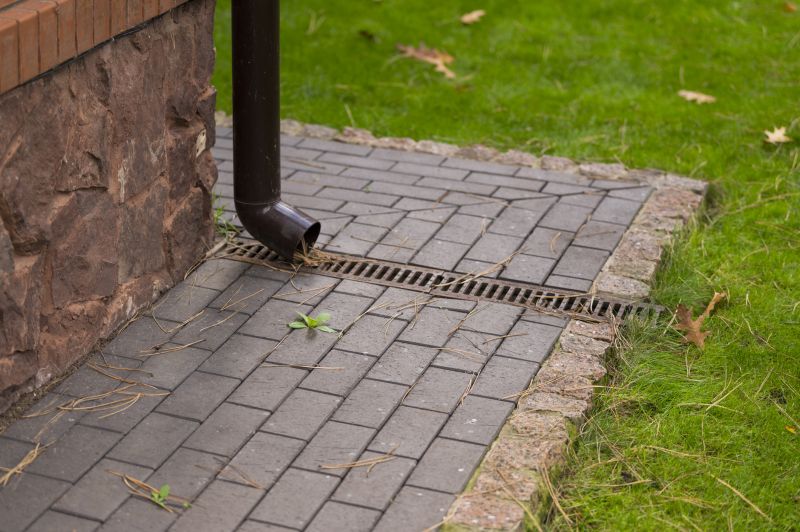
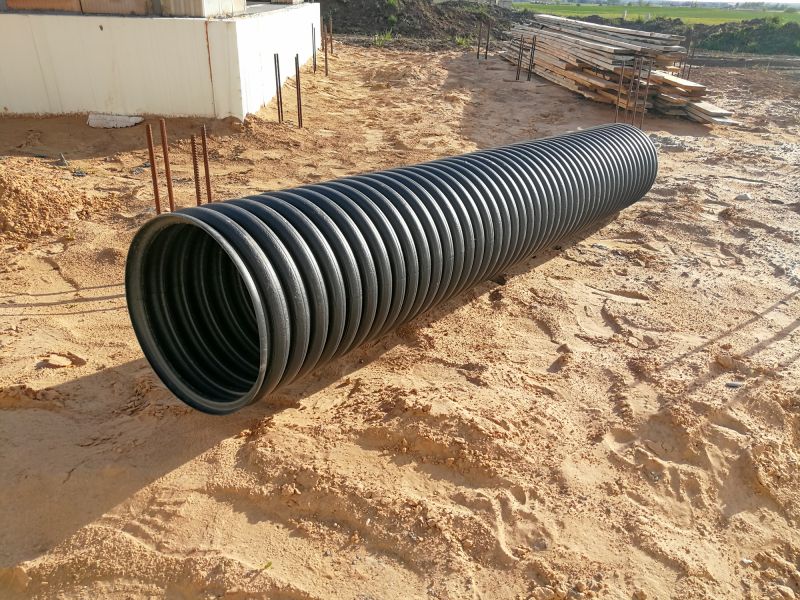
Perimeter drain construction involves installing a drainage system around the foundation of a property to effectively manage water runoff and prevent moisture buildup. This service typically includes excavating a trench along the exterior of the foundation, laying perforated pipes, and covering them with gravel or other drainage materials. The goal is to direct excess water away from the foundation, helping to reduce the risk of water intrusion, basement flooding, and structural damage caused by persistent moisture issues. Properly installed perimeter drains can play a key role in maintaining a dry, stable foundation for homes and other types of properties.
Many property owners turn to perimeter drain construction when experiencing signs of water problems, such as damp or moldy basements, pooling water around the foundation, or cracks in walls and floors. These issues often indicate that existing drainage is inadequate or compromised, allowing water to collect near the building’s base. Installing a perimeter drain can help resolve these problems by providing a reliable pathway for water to escape, reducing hydrostatic pressure against the foundation, and preventing water from seeping inside. This service is especially beneficial in areas with heavy rainfall or poor drainage conditions.
Perimeter drain construction is commonly used on residential properties, including single-family homes and townhouses, especially those with basements or crawl spaces prone to moisture issues. It’s also a popular solution for commercial buildings and multi-unit complexes where water management is critical to maintaining structural integrity and indoor air quality. Properties built on slopes or in low-lying areas are often good candidates for perimeter drainage systems, as these locations are more susceptible to water accumulation around the foundation. Homeowners and property managers seeking a long-term solution to persistent dampness or flooding often consider this service as part of their overall foundation maintenance plan.
Local contractors and service providers who specialize in drainage and foundation work can assess a property’s specific needs and design a perimeter drain system tailored to its conditions. They handle the excavation, installation, and materials needed to create an effective drainage network that works with the property’s landscape and existing infrastructure. Contacting experienced professionals ensures that the system is properly installed to function reliably over time, helping to protect the property from water-related damage and maintain a healthier, more stable foundation.
The overview below groups typical Perimeter Drain Construction projects into broad ranges so you can see how smaller, mid-sized, and larger jobs often compare in Philadelphia, PA.
In many markets, a large share of routine jobs stays in the lower and middle ranges, while only a smaller percentage of projects moves into the highest bands when the work is more complex or site conditions are harder than average.
Smaller Repairs - Typical costs for minor perimeter drain repairs or maintenance range from $250 to $600. Many routine jobs fall within this range, covering tasks like sealing leaks or replacing small sections of drain pipe.
Partial Replacement - Replacing a segment of the perimeter drain system usually costs between $1,000 and $3,000. Larger, more complex projects can reach $4,000 or more, depending on the size of the area and accessibility.
Full System Replacement - Complete replacement of a perimeter drainage system often falls between $5,000 and $12,000. These projects tend to be less common but are necessary for older or severely damaged systems.
Custom or Complex Installations - Custom drainage solutions or extensive excavations can range from $10,000 to $25,000+, with fewer projects reaching the upper end, depending on property size and site conditions.
Actual totals will depend on details like access to the work area, the scope of the project, and the materials selected, so use these as general starting points rather than exact figures.
Foundation Drainage Installation - this project involves installing drainage systems around building foundations, requiring similar planning, excavation, and piping skills as perimeter drain construction.
Basement Waterproofing - waterproofing basements often requires managing water flow and drainage solutions, making it comparable to perimeter drain system installation.
Landscape Drainage Systems - designing and installing landscape drainage involves understanding water flow and implementing effective drainage solutions, aligned with perimeter drain techniques.
Retaining Wall Drainage - integrating drainage behind retaining walls to prevent water buildup shares skills in planning and installing subsurface drainage systems.
Excavation and Site Grading - preparing sites through excavation and grading supports proper drainage, paralleling the work involved in perimeter drain construction.
Sump Pump Installation - installing sump pumps to manage water accumulation complements perimeter drainage projects by providing effective water removal solutions.
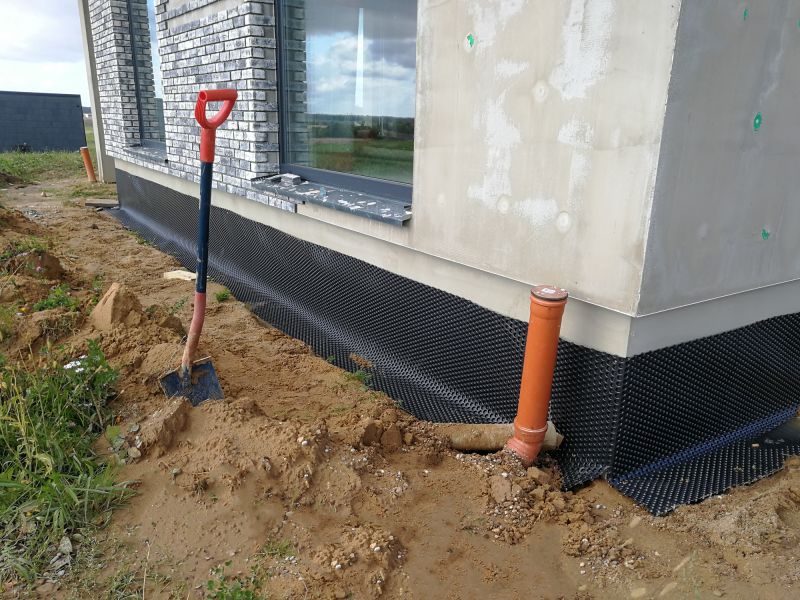
When evaluating contractors for perimeter drain construction, it’s important to consider their experience with similar projects in the Philadelphia area. Homeowners should look for service providers who have a proven track record of handling drainage solutions comparable to their specific needs. An experienced contractor will be familiar with local soil conditions, common drainage challenges, and effective installation techniques, which can contribute to a more successful outcome.
Clear, written expectations are essential when comparing local contractors. Homeowners should seek detailed proposals that outline the scope of work, materials to be used, and the estimated process involved. Having this information in writing helps ensure everyone is on the same page and reduces the likelihood of misunderstandings. It also provides a reference point to compare the professionalism and thoroughness of different service providers.
Reputable references and good communication are key indicators of a reliable contractor. Homeowners are encouraged to ask potential service providers for references from previous clients who had similar work done. Contacting these references can offer insights into the contractor’s reliability, quality of work, and ability to communicate effectively throughout the project. A contractor who maintains open, responsive communication can help make the process smoother and more predictable, fostering confidence in the chosen professional.
Property owners in Philadelphia, PA use Perimeter Drain Construction services for practical projects around their homes and businesses. This guide focuses on everyday jobs and straightforward project options.
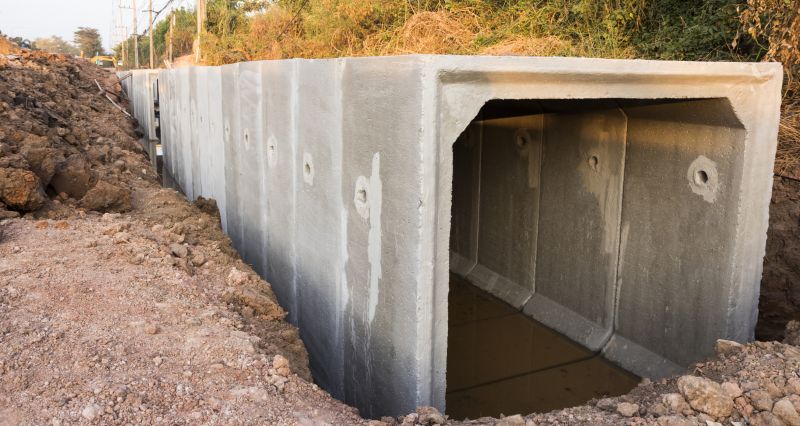
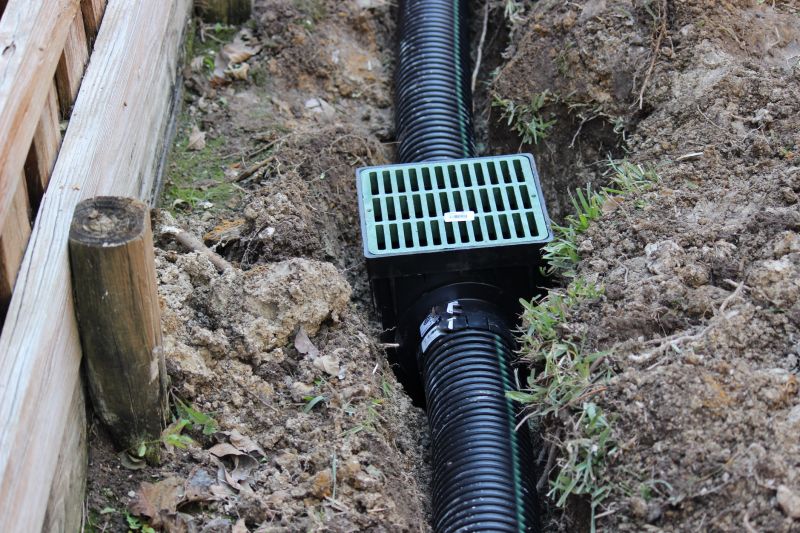
Perimeter drain construction services are often sought after by property owners in Philadelphia, PA, dealing with issues like basement flooding or persistent ground moisture. When heavy rains or snowmelt overwhelm existing drainage systems, local contractors can install or upgrade perimeter drains to help direct excess water away from foundations, reducing the risk of water damage and mold growth. These projects are common for homeowners and commercial property owners who want to protect their investments and maintain a dry, stable basement environment.
In many cases, property owners may notice uneven soil settling or foundation cracks that suggest poor drainage around their property. Local service providers can assess these situations and recommend perimeter drain solutions to improve water flow and prevent future problems. Whether installing new drainage systems during renovations or repairing existing ones, these contractors help keep Philadelphia properties safe from water-related issues caused by inadequate drainage or blocked gutters.
What is perimeter drain construction? Perimeter drain construction involves installing a drainage system around the foundation of a property to redirect excess water away and prevent water intrusion.
Why should I consider perimeter drain installation? Installing a perimeter drain can help protect a building’s foundation from water damage, reduce basement flooding risks, and improve overall drainage around the property.
What materials are used in perimeter drain systems? Common materials include perforated pipes, gravel or crushed stone, and fabric filters to ensure proper water flow and prevent soil clogging.
How do local contractors typically install perimeter drains? Contractors excavate around the foundation, lay perforated pipes with gravel, and cover the system with soil or landscaping to ensure effective water diversion.
Can perimeter drains be integrated with other drainage solutions? Yes, perimeter drain systems can often be combined with sump pumps, downspout extensions, and other drainage features to enhance water management around a property.
Prevent Basement Flooding - Proper perimeter drain construction can help direct excess water away from the foundation, reducing the risk of water seeping into basements during heavy rainfalls.
Protect Landscape and Garden Areas - Installing a perimeter drain can manage surface runoff, preventing erosion and pooling around flower beds and lawn areas.
Address Foundation Moisture Issues - Service providers can design drainage systems that help maintain consistent moisture levels around the foundation, supporting structural stability.
Improve Overall Property Drainage - Local contractors can create effective drainage solutions to manage water flow across the yard, minimizing pooling and water damage.
If you are thinking about Perimeter Drain Construction for a property in Philadelphia, PA, this guide is meant to help you understand the work, the typical project types, and how different options might fit your plans.
When you are ready, you can use the quote form on this page to share a few details about your project. From there, local pros can review the basics and respond with options that match what you have in mind.