
Get Retaining Wall Drainage in Philadelphia, PA
Retaining Wall Drainage services help Philadelphia property owners prevent water buildup, soil erosion, and structural damage by providing expert drainage solutions for retaining wall projects.
Proper drainage is a critical aspect of retaining wall projects for property owners in Philadelphia, PA. Effective drainage helps prevent water buildup behind walls, which can lead to structural issues, soil erosion, or landscape damage over time. Considering the area's climate and soil conditions, many property owners explore drainage solutions to ensure their retaining walls remain stable and functional, especially in areas prone to heavy rainfall or fluctuating moisture levels. Understanding the importance of proper planning and selecting experienced local contractors can make a significant difference in achieving long-lasting results.
For those planning a retaining wall installation or repair, comparing options among nearby service providers is an important step. Local contractors specializing in drainage services can assess site-specific needs and recommend solutions tailored to Philadelphia’s unique environment. By exploring different providers, property owners can find experienced professionals equipped to handle drainage challenges effectively, helping to protect their investment and maintain the integrity of their landscape. Keep reading to learn more about how local experts can assist with retaining wall drainage projects.
- Residential retaining walls - needed when managing soil erosion and water drainage around homes in neighborhoods like Fishtown or Chestnut Hill.
- Commercial retaining wall drainage - essential for businesses in areas such as Center City to prevent water buildup and structural issues.
- Landscape retaining wall drainage - used in gardens and yards across neighborhoods like Manayunk to improve water flow and prevent damage.
- Hillside or sloped property drainage - necessary for properties on hilly terrain in areas like Roxborough to reduce water pressure behind retaining walls.
- Retaining wall repair and drainage upgrades - required when existing walls in areas like South Philadelphia experience water pooling or deterioration.
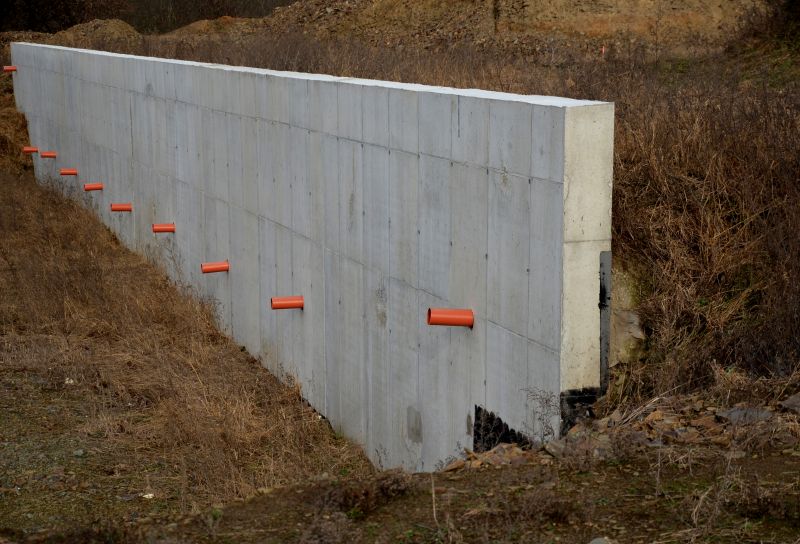
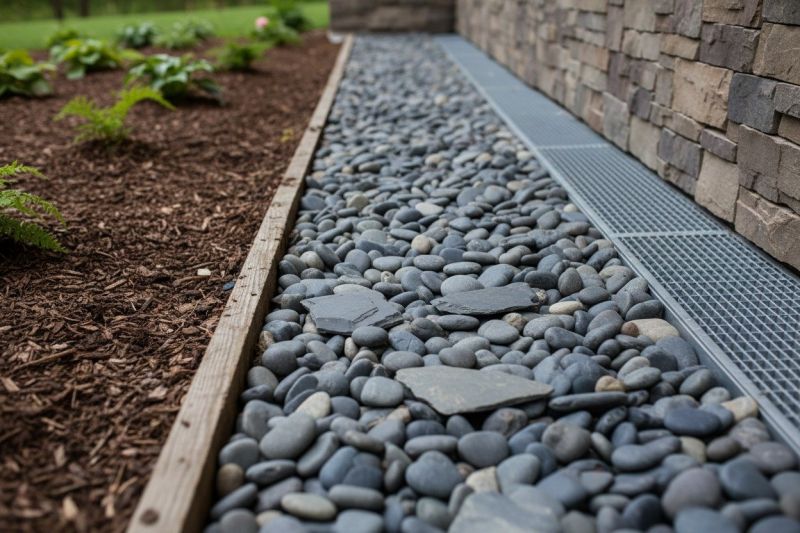
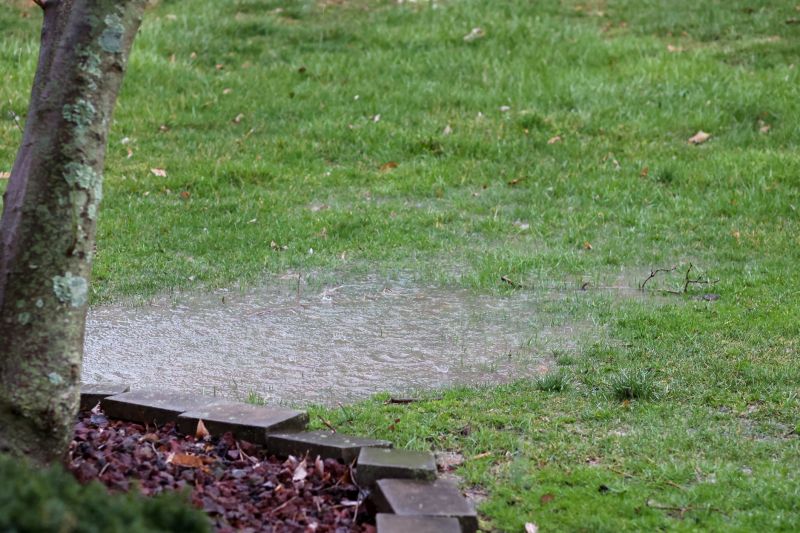
Retaining wall drainage services involve installing or improving drainage systems behind retaining walls to prevent water buildup and manage moisture levels. Proper drainage is essential to ensure that water does not accumulate behind the wall, which can lead to increased pressure and potential failure of the structure. Service providers typically evaluate the existing landscape and design drainage solutions such as weep holes, drain pipes, or gravel backfill to facilitate water flow away from the wall. This process helps maintain the stability and longevity of retaining walls, especially in areas prone to heavy rainfall or poor soil drainage.
One of the primary problems that retaining wall drainage services address is water infiltration, which can cause soil erosion, wall shifting, or cracking over time. When water is unable to escape from behind the wall, it can exert significant pressure, risking structural damage or collapse. Proper drainage systems help mitigate these issues by directing water safely away from the foundation, reducing hydrostatic pressure, and preventing water-related damage. This service is particularly important in properties where the landscape slopes or where drainage issues have already caused signs of instability, such as leaning or cracking walls.
Retaining wall drainage solutions are commonly used in residential properties with terraced gardens, sloped yards, or hillside landscapes. Homeowners who have recently built or are planning to install a retaining wall often seek these services to ensure the structure remains stable over time. The service is also valuable for properties with existing retaining walls that show signs of water pooling, erosion, or shifting. Whether the property features a small garden wall or a larger hillside retaining structure, local contractors can assess the specific needs and recommend appropriate drainage methods to protect the investment and preserve the landscape.
Choosing professional retaining wall drainage services can help property owners avoid costly repairs and ensure the safety of their landscape features. Experienced service providers evaluate the site conditions, soil type, and rainfall patterns to design tailored drainage solutions. Proper drainage not only preserves the integrity of the retaining wall but also contributes to the overall health of the landscape by preventing water damage and soil instability. Contacting local contractors for these services can provide peace of mind that the retaining wall will perform effectively, even during heavy storms or seasonal changes.
The overview below groups typical Retaining Wall Drainage projects into broad ranges so you can see how smaller, mid-sized, and larger jobs often compare in Philadelphia, PA.
In many markets, a large share of routine jobs stays in the lower and middle ranges, while only a smaller percentage of projects moves into the highest bands when the work is more complex or site conditions are harder than average.
Smaller Repairs - typical costs for routine drainage fixes around retaining walls in Philadelphia range from $250-$600. Many common issues fall within this range, especially for minor adjustments or localized repairs. Larger, more complex repairs can exceed this, but are less common in this category.
Moderate Projects - replacing or installing drainage systems for existing retaining walls usually costs between $1,000-$3,000. Most projects in this range involve standard materials and straightforward installation, with fewer reaching the higher end for added complexity.
Full Wall Repairs - extensive repairs or upgrades to retaining wall drainage systems typically fall between $3,500-$7,000. These projects often involve significant excavation or structural work, which can push costs higher for larger or more intricate jobs.
Complete Replacement - fully removing and replacing a retaining wall along with its drainage can range from $8,000 to $20,000 or more. Such projects are less common and usually involve substantial engineering and construction efforts, especially in challenging sites or larger areas.
Actual totals will depend on details like access to the work area, the scope of the project, and the materials selected, so use these as general starting points rather than exact figures.
Drainage System Installation - local contractors can design and install effective drainage systems to prevent water buildup behind retaining walls, protecting the structure and surrounding landscape.
Landscape Grading and Drainage - experts in grading can ensure proper slope and water diversion away from retaining walls, reducing erosion and water damage risks.
Foundation Drainage Services - specialists can install foundation drains that work in tandem with retaining wall drainage to secure the stability of nearby structures.
Soil Erosion Control Projects - professionals can implement erosion control measures that complement retaining wall drainage, maintaining soil stability on sloped properties.
Waterproofing and Moisture Barrier Installation - local service providers can apply waterproofing solutions to retain walls and adjacent structures to prevent water infiltration.
Excavation and Site Preparation - experienced contractors can prepare the site for retaining wall installation, ensuring proper drainage planning from the outset.
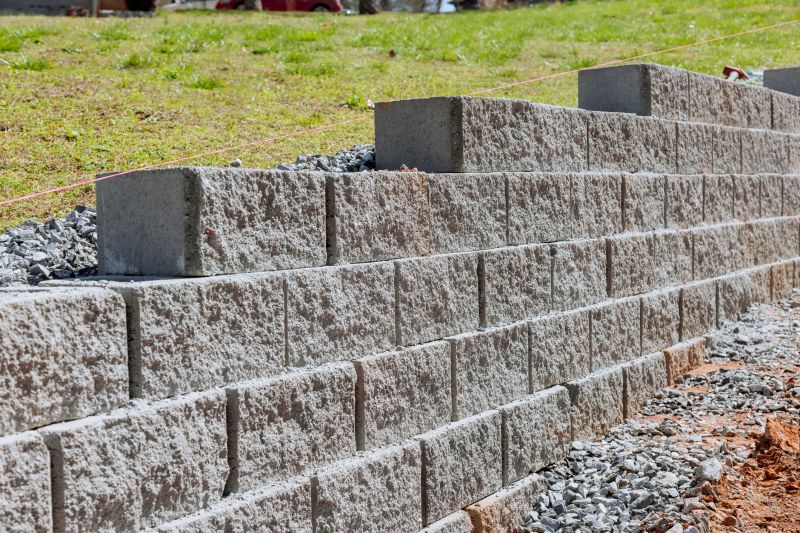
When evaluating service providers for retaining wall drainage, it’s important to consider their experience with similar projects in the Philadelphia area. Homeowners should look for local contractors who have a proven track record of handling drainage solutions for retaining walls, as familiarity with regional soil conditions and common challenges can influence the quality of the work. Gathering information about past projects helps ensure that the contractor understands the specific requirements of your property and can deliver results that meet your needs.
Clear, written expectations are essential when comparing options for retaining wall drainage services. Homeowners should seek providers who can offer detailed descriptions of their proposed work, including the scope, materials, and methods they plan to use. Having this information in writing helps prevent misunderstandings and provides a reference point for evaluating bids. It also makes it easier to compare different contractors based on the thoroughness and clarity of their proposals.
Reputable references and effective communication are key indicators of a trustworthy service provider. Homeowners are encouraged to ask for references from previous clients with similar projects to gain insight into the quality of work and professionalism. Additionally, choosing contractors who communicate clearly and respond promptly to questions can lead to a smoother experience. While this site introduces homeowners to local options, it does not perform the work itself, emphasizing the importance of selecting a contractor who is transparent, reliable, and capable of meeting project expectations.
Property owners in Philadelphia, PA use Retaining Wall Drainage services for practical projects around their homes and businesses. This guide focuses on everyday jobs and straightforward project options.
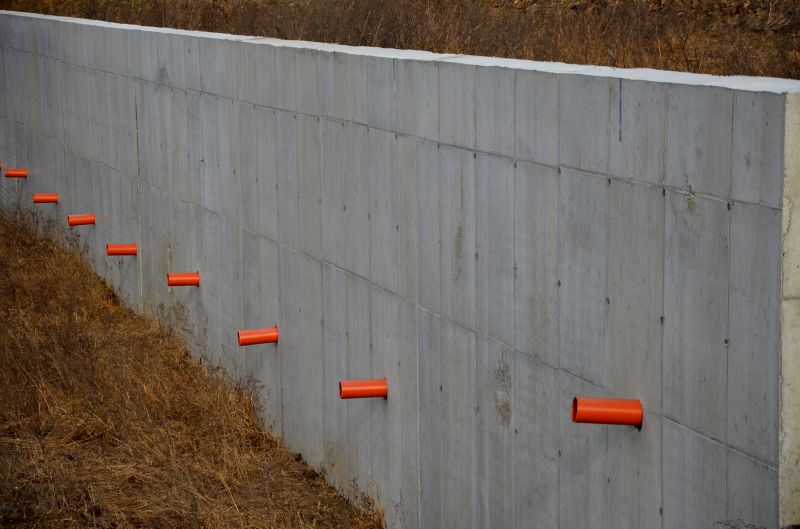
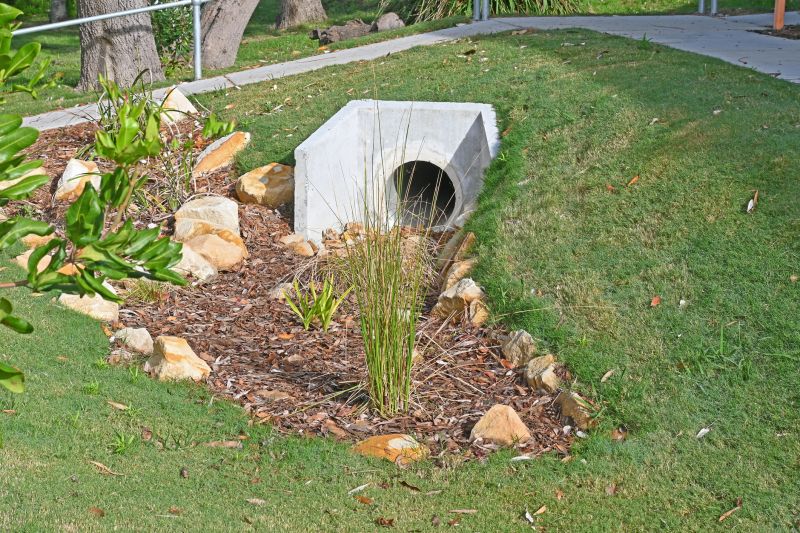
Retaining wall drainage services are often needed when property owners in Philadelphia notice water pooling or excessive moisture around their retaining walls after heavy rains or snowmelt. Poor drainage can lead to water buildup behind the wall, which may cause shifting, cracking, or even failure of the structure over time. Local contractors who specialize in retaining wall drainage can evaluate existing walls and install effective drainage solutions, helping to prevent water-related damage and maintain the stability of outdoor spaces.
Homeowners and property managers in Philadelphia might also seek drainage services when planning new retaining wall installations or renovations. Proper drainage is essential for ensuring that walls can handle the area's seasonal weather patterns, especially during periods of heavy rainfall. Experienced service providers can recommend and implement drainage systems tailored to specific landscape conditions, providing peace of mind that the retaining walls will perform reliably for years to come.
Why is proper drainage important for retaining walls? Proper drainage prevents water buildup behind the wall, reducing pressure and the risk of failure. Local contractors can assess and install drainage solutions tailored to specific site conditions.
What types of drainage systems are used in retaining wall projects? Common drainage options include weep holes, perforated pipes, and gravel backfill. Experienced service providers can recommend the best system based on the wall’s location and design.
How can poor drainage affect my retaining wall over time? Inadequate drainage can lead to water accumulation, increased pressure, and potential structural damage or collapse. Local experts can help ensure effective water management to extend the wall’s lifespan.
What signs indicate that a retaining wall may need drainage improvements? Signs include water pooling, soil erosion, or bulging and cracking in the wall. Contact local contractors to evaluate and address drainage issues promptly.
Are there different drainage solutions for various types of retaining walls? Yes, drainage methods can vary depending on wall materials and site conditions. Local service providers can determine the most suitable drainage system for each project.
Improve drainage behind retaining walls - local contractors can install drainage systems to prevent water buildup that may weaken the wall structure.
Prevent erosion around garden beds - service providers can add drainage solutions to protect landscaping and soil stability.
Manage runoff from driveways and patios - experts can design drainage options to direct water away from foundations and walkways.
Enhance outdoor living spaces - local pros can incorporate drainage features to maintain a dry, functional yard area.
If you are thinking about Retaining Wall Drainage for a property in Philadelphia, PA, this guide is meant to help you understand the work, the typical project types, and how different options might fit your plans.
When you are ready, you can use the quote form on this page to share a few details about your project. From there, local pros can review the basics and respond with options that match what you have in mind.